
Gum disease is one of those health issues that can quietly develop without causing much discomfort at first. Because the early stages are often painless, many people don’t realize there’s a problem until noticeable damage has already occurred. Paying attention to subtle changes in your mouth can make a huge difference. Recognizing early warning signs of gum disease allows you to take action sooner, protect your teeth, and maintain better overall oral health.
Understanding Gum Disease
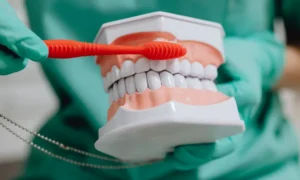
Gum disease, also known as periodontal disease, begins when plaque builds up along and below the gumline. Plaque contains bacteria that irritate the gums, leading to inflammation. In its earliest stage, called gingivitis, the damage is still reversible. If left untreated, it can progress to periodontitis, where the gums pull away from the teeth and bone loss may occur. This progression highlights why early detection is so important.
Red or Swollen Gums
Healthy gums should appear firm and pink. One of the first signs of gum disease is redness or swelling along the gumline. Inflamed gums may look darker than usual and feel tender to the touch. This inflammation is your body’s response to bacterial buildup. Even if there is no pain, swollen gums should never be ignored, as they often signal the beginning of gingivitis.
Bleeding During Brushing or Flossing
Bleeding gums are often dismissed as brushing too hard, but frequent bleeding is not normal. If you notice blood in the sink when brushing or flossing, it could be an early indicator of gum disease. Healthy gums do not bleed easily. Persistent bleeding suggests irritation and inflammation that should be evaluated by a dental professional.
Persistent Bad Breath or Unpleasant Taste
Chronic bad breath that doesn’t improve with brushing or mouthwash can be another warning sign. Bacteria trapped beneath the gumline produce toxins that cause lingering odor and a bad taste in the mouth. This symptom often accompanies early periodontal disease and may worsen as the condition progresses. Consistent fresh breath is a sign of good oral health, not just clean teeth.
Gum Sensitivity and Receding Gums
In the early stages of gum disease, gums may begin to pull away from the teeth slightly. This recession can make teeth appear longer and lead to sensitivity, especially when consuming hot or cold foods. Gum recession exposes the tooth roots, which are more vulnerable to decay and discomfort. Noticing changes in how your teeth feel or look is an important cue to seek care.
Why Early Detection Matters
Catching gum disease early could prevent serious complications. Untreated gum disease has been linked to tooth loss and has associations with conditions such as heart disease and diabetes. Early treatment is usually simple and non-invasive, often involving improved oral hygiene and professional cleanings. Addressing the problem early could save time, discomfort, and long-term expense.
Gum Disease in Rockville, MD
At Congressional Dental Care, we are dedicated to helping you maintain a bright and healthy smile. Gum disease can cause a host of both oral and overall health complications. But with early intervention, you could reverse the damage. Contact our office today to schedule a consultation and learn more about your treatment options for healthier gums.